

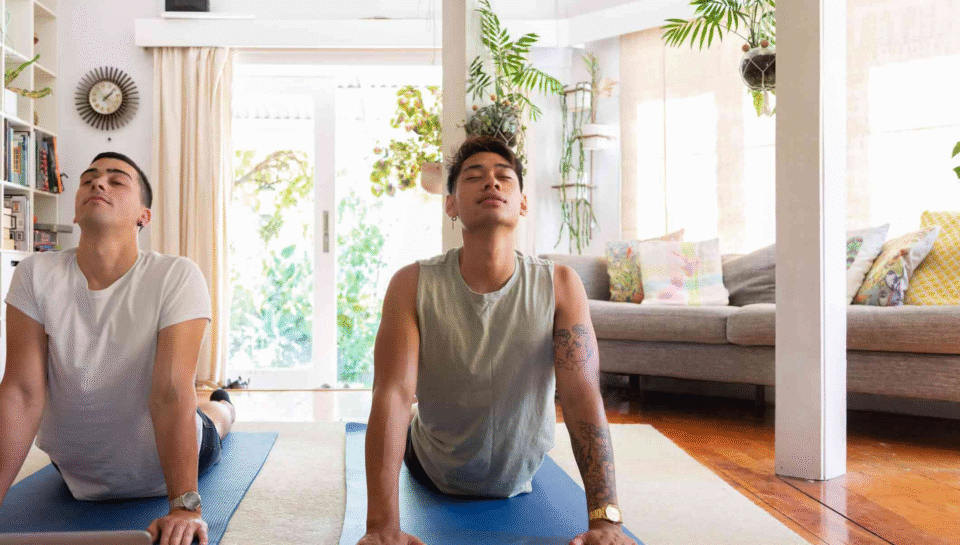
In today’s fast-paced world, taking care of your mental health is more important than ever. Many people focus solely on physical health, but mental well-being is equally essential for a balanced and fulfilling life. Mental health exercises are simple, practical activities that can help reduce stress, improve mood, and boost overall emotional resilience. By incorporating these exercises into your daily routine, you can nurture your mind, increase self-awareness, and create a healthier mental state.
Understanding the Importance of Daily Self-Care
Self-care is more than just pampering yourself. It’s about actively engaging in practices that support your emotional, psychological, and social well-being. Daily mental health exercises can:
- Reduce stress and anxiety
- Improve focus and concentration
- Boost mood and happiness
- Strengthen coping skills for challenges
- Enhance self-awareness and mindfulness
Taking small steps every day can have a profound impact on your mental health. These exercises don’t require special equipment or expensive therapy sessions—they’re accessible to everyone.
1. Mindfulness Meditation
Mindfulness meditation is a powerful practice that helps you focus on the present moment. By observing your thoughts and feelings without judgment, you can reduce stress and anxiety.
How to Practice:
- Find a quiet space and sit comfortably.
- Close your eyes and take slow, deep breaths.
- Focus on your breath and gently bring your mind back whenever it wanders.
- Start with 5–10 minutes daily and gradually increase the time.
Benefits:
Mindfulness improves emotional regulation, reduces negative thinking, and helps you respond calmly to daily stressors.
2. Journaling Your Thoughts
Writing down your thoughts and emotions is an excellent way to process what’s happening in your mind. Journaling allows you to express feelings that you might otherwise suppress.
How to Practice:
- Take 10–15 minutes each day to write in a notebook.
- Record your feelings, experiences, and reflections.
- Use prompts like “Today I feel…” or “What made me happy today?”
- Review your entries weekly to notice patterns or progress.
Benefits:
Journaling improves self-awareness, relieves emotional tension, and helps track personal growth over time.
3. Physical Exercise for Mental Health
Exercise is not only good for your body but also for your mind. Activities like walking, yoga, or even light stretching release endorphins, which are natural mood boosters.
How to Practice:
- Choose an activity you enjoy, such as walking, jogging, or dancing.
- Aim for at least 20–30 minutes daily.
- Include stretching or yoga to relax tense muscles.
Benefits:
Regular physical activity reduces anxiety, enhances mood, increases energy levels, and improves sleep quality.
4. Deep Breathing Exercises
Deep breathing is a simple but effective way to calm your mind and reduce stress. When practiced daily, it can lower heart rate, reduce tension, and promote mental clarity.
How to Practice:
- Sit or lie down in a comfortable position.
- Inhale slowly through your nose for 4 seconds.
- Hold your breath for 4 seconds.
- Exhale slowly through your mouth for 6 seconds.
- Repeat this cycle 5–10 times.
Benefits:
Deep breathing improves focus, reduces panic, and creates a sense of relaxation in minutes.
5. Gratitude Practice
Gratitude exercises encourage positive thinking and help you focus on what’s good in your life rather than what’s missing.
How to Practice:
- Each morning or evening, list 3–5 things you are grateful for.
- Include both big and small things, like a supportive friend or a sunny day.
- Reflect on why you appreciate these moments.
Benefits:
Practicing gratitude improves mood, strengthens relationships, and fosters a sense of fulfillment.
6. Creative Activities
Engaging in creative hobbies can be a form of self-care that stimulates your mind and relieves stress. Activities like drawing, painting, music, or crafting provide an outlet for self-expression.
How to Practice:
- Dedicate 15–30 minutes a day to a creative activity.
- Focus on the process rather than the result.
- Experiment with different forms of creativity until you find what you enjoy.
Benefits:
Creative activities reduce stress, improve cognitive function, and enhance emotional expression.
7. Digital Detox
In today’s world, excessive screen time can negatively affect mental health. Taking breaks from social media and digital devices can help restore focus and emotional balance.
How to Practice:
- Set aside specific times for checking your phone or email.
- Avoid screens at least one hour before bedtime.
- Spend this time reading, walking, or practicing mindfulness instead.
Benefits:
Digital detox reduces stress, improves sleep, and encourages real-world connections.
8. Connecting with Nature
Spending time outdoors has incredible benefits for mental health. Nature exposure can lower stress, improve mood, and enhance creativity.
How to Practice:
- Take a walk in a park, garden, or natural setting.
- Practice mindfulness by noticing the sights, sounds, and smells around you.
- Try outdoor meditation or yoga for added benefits.
Benefits:
Nature reduces anxiety, boosts energy, and provides a sense of peace and grounding.
Conclusion
Incorporating mental health exercises into your daily self-care routine is essential for maintaining emotional well-being. Whether it’s mindfulness meditation, journaling, physical exercise, or practicing gratitude, these activities strengthen your mind and improve your quality of life. Remember, self-care isn’t selfish—it’s a necessary investment in your overall health. Start small, stay consistent, and gradually make these exercises a natural part of your everyday routine.
Frequently Asked Questions (FAQs)
1. How long should I practice mental health exercises daily?
Even 10–30 minutes a day can be effective. The key is consistency rather than duration.
2. Can these exercises replace therapy or medication?
While helpful, they are not a substitute for professional treatment. Consult a mental health professional if needed.
3. What is the easiest exercise to start with?
Deep breathing and journaling are simple and require no equipment, making them excellent starting points.
4. Can children benefit from these exercises?
Yes, age-appropriate mindfulness, gratitude, and creative activities can support children’s emotional development.
5. How do I stay motivated to practice daily?
Set reminders, start small, and choose exercises you enjoy. Tracking progress can also boost motivation.



